· Electricity news
Great British Grid: What It Could Mean for Devon
Quick answer
Great British Grid could help Devon get electricity network upgrades and connections sooner, but the government hasn't announced local projects or guaranteed household savings. According to DESNZ, the new public body will invest alongside private investors, while proposed connection reforms aim to reduce delays and costs.
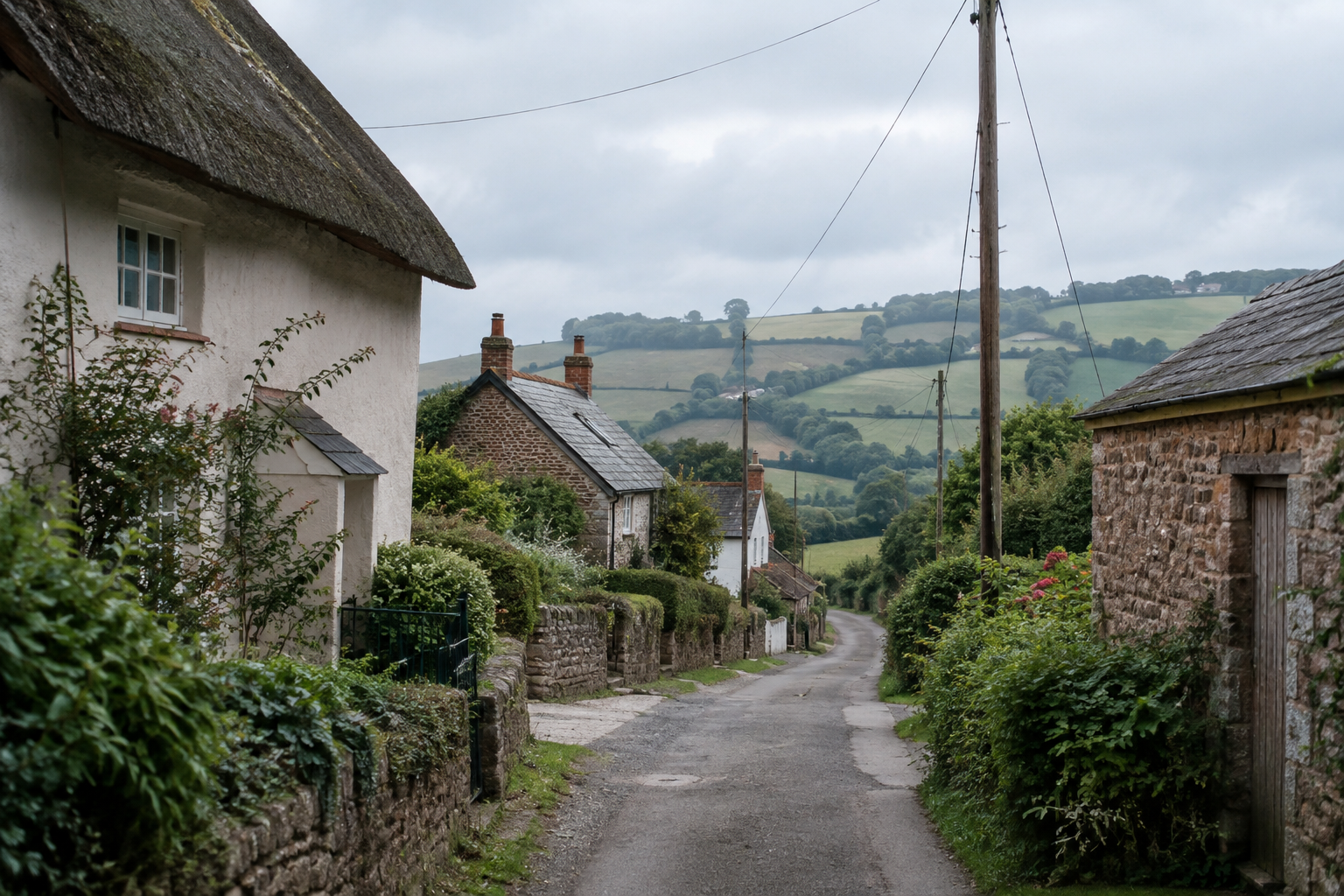
What is Great British Grid, and what does it mean for Devon?
Great British Grid could help speed up electricity network upgrades and connections in Devon, but the announcement doesn’t identify Devon projects, delivery dates or guaranteed bill savings. It’s a national investment plan, not a confirmed timetable for work down your road.
In their GOV.UK announcement published on 29 September 2026, the Department for Energy Security and Net Zero (DESNZ) and Great British Energy describe Great British Grid, or GBG, as a new publicly owned body within Great British Energy.
Its job will be to invest public money in electricity network infrastructure alongside private investors. According to the announcement, it will work with existing network operators to help accelerate projects, increase competition and deliver the upgrades Britain needs.
That’s a different job from investing in the equipment that generates electricity. A wind farm or solar installation produces power; the network carries that power to the homes, shops, workshops and factories that use it. We need both. More clean electricity being generated doesn’t, by itself, mean there’s enough network capacity to get it where it’s needed.
Great British Energy already invests in generation, storage and supply chain projects, according to DESNZ and Great British Energy. GBG adds investment in the network side of that picture.
What might that look like locally?
For Devon, the practical questions are familiar:
- Can a business in Exeter get the electricity connection it needs to open or expand?
- Can the network support changing electricity demand in Plymouth?
- Is there enough capacity to supply new development around Newton Abbot?
These are examples of why networks matter, not schemes announced for GBG funding. The release doesn’t name any of these places or promise work there.
The same distinction matters beyond our larger towns. For a rural Devon household considering greater use of electricity, including an off-gas home, the relevant issue is what the local network can accommodate. A national investment announcement alone can’t answer that property-specific question.
The government’s intended benefits are faster connections, stronger energy security and lower costs. Those are the ambitions set out by DESNZ and Great British Energy, rather than outcomes Devon residents can already count on.
There’s also a funding detail worth keeping in view. The announcement says GBG’s initial start-up costs will come from Great British Energy’s existing budgets, while its longer-term budget will be considered in a future spending review because grid delivery takes time.
So, for anyone weighing up a business expansion or development in Devon, this release isn’t evidence that their particular connection has funding or an earlier delivery slot. That would need confirmation for the project itself.
Will Great British Grid cut my electricity bills in Devon?
Possibly, but there’s no promised reduction in your household tariff. The Department for Energy Security and Net Zero (DESNZ) release gives no household saving, no Devon-specific estimate and no date when bills might fall.
DESNZ presents lower costs and better value for consumers as intended benefits of getting infrastructure built faster, bringing in additional investment and increasing competition. It says opening transmission projects to a wider range of organisations should improve delivery and secure better value.
That’s an ambition for how the electricity system is built and funded, rather than a discount you can pencil into next winter’s budget. A project costing less to deliver isn’t, by itself, a statement about what your supplier will charge you.
As general background, electricity bills reflect more than the cost of building the network. They also include the cost of buying electricity, running and maintaining the system, suppliers’ operating costs and policy costs and taxes. What you actually pay also depends on your tariff and how much electricity you use.
So, while better-value infrastructure could help with costs, this announcement doesn’t tell us how any benefit would feed through to a bill in Exeter, Barnstaple or Tavistock.
What about homes that depend on electric heating?
For rural and off-gas households, that distinction matters. If electricity heats your rooms and hot water, your usage is a particularly important part of the bill. A better electricity network doesn’t automatically mean you’ll need less energy to keep warm.
In granite and cob cottages around Dartmoor and Exmoor, heat loss and the suitability of the heating system remain separate household issues. Grid investment is not itself an insulation upgrade, a heating replacement or a household grant. The DESNZ release doesn’t announce those measures, and owners of older buildings would still need advice suited to their property before making changes.
The same caution applies to coastal households in Exmouth or Torquay, and holiday-let owners across Torbay. There’s no special coastal tariff or holiday-let support scheme announced here. You can’t use this release to calculate a future saving for either your own home or a property you let.
And does public ownership mean the infrastructure is free? No: it still has to be paid for. According to DESNZ, Great British Grid’s initial start-up costs will come from existing Great British Energy budgets. Its longer-term budget will be considered in a future spending review.
The release says public investment will sit alongside private investment, but it doesn’t set out the eventual funding split or what that will mean for consumers. Start-up funding therefore shouldn’t be read as either a guarantee of lower bills or evidence of a particular extra charge.
Will electricity connections get faster for Devon homes and businesses?
That’s the aim, but the announcement doesn’t promise a faster connection for any particular Devon home or business. A national queue overhaul isn’t the same thing as a revised date for your project.
The Department for Energy Security and Net Zero (DESNZ) says the government is already working with the National Energy System Operator (NESO) and energy regulator Ofgem to reform the connections system. That includes overhauling the connections queue and removing more than 300 GW of speculative capacity.
That’s a substantial-sounding figure, but it needs a little unpacking. GW stands for gigawatts, a measure of power capacity. Here, it describes capacity associated with speculative projects in the queue — not a count of homes, completed connections or cables already installed. It shouldn’t be read as a number of households that can now be connected.
Nor does removing speculative capacity automatically mean the physical network has gained that much usable capacity. DESNZ says further investment will still be needed to upgrade the electricity network as demand grows and new sources of clean power seek connections.
What could that mean on the ground?
Network capacity matters because electricity has to travel through infrastructure capable of handling it. A generation project needs a suitable route to export power; a business or housing development may need capacity to draw more electricity.
These are hypothetical Devon examples, not projects identified in the announcement:
- A business expansion in Barnstaple: additional machinery could increase the site’s electricity requirements. Whether its connection needs upgrading would depend on the proposed demand and the existing supply.
- A development near Exmouth: new homes would need electricity connections, with the requirements assessed against the local network. National reform alone wouldn’t settle its connection date.
- A rural energy project: a proposed solar scheme serving an off-gas community might need an export connection. Its prospects would depend on the project and the network where it wanted to connect.
These situations aren’t interchangeable. In particular, not every domestic installation joins the same connections queue as a large generation project. The requirements for work at an existing home depend on what’s being installed and the supply already available.
The DESNZ announcement doesn’t identify Devon queue positions, local connection deadlines or capacity released on the South West network. There’s therefore no basis here for saying an application in Tavistock or Torquay has moved forward.
If you’ve already applied, ask your connection provider for project-specific information: whether the reforms affect your application, whether any network works remain necessary, and whether your offered timetable has changed. Keep using the terms and dates in your individual connection offer unless your provider confirms otherwise — the national announcement isn’t a replacement for it.
What are self-build grid connections, and can I build my own?
“Self-build” here means proposed arrangements for developers and businesses to arrange construction of appropriate grid connections. It isn’t permission for householders to work on electricity networks — so no, this isn’t a DIY option for your Devon home.
The Department for Energy Security and Net Zero (DESNZ) says it plans to expand self-build connections so developers and businesses can build their own connections “where appropriate”, rather than waiting for network companies to do so.
The idea is to let suitable projects proceed without the network company having to undertake all the connection construction. DESNZ says this could help reduce delays and costs and support growth. That’s the stated purpose of the reform, though, not a guarantee for any individual project.
The wording matters: arranging for a connection to be built is quite different from doing the electrical work yourself. Grid work needs specialist expertise and the relevant approvals. A business taking responsibility for arranging construction wouldn’t make those requirements disappear.
What might that mean around Plymouth or Newton Abbot?
Imagine a proposed commercial development around Plymouth that needs a new electricity connection, or a business near Newton Abbot planning premises with greater power requirements. The proposed expansion could be relevant to projects like these, if they meet whatever conditions are eventually set.
But those are hypothetical examples, not confirmed eligible schemes. The DESNZ release doesn’t identify Devon projects that could use the arrangements, and it doesn’t provide enough detail to tell a local developer whether their plans would qualify.
In particular, the announcement doesn’t set out:
- Eligibility: which businesses, developments or types of connection would be covered.
- Technical requirements: the standards and conditions projects would need to meet.
- Application routes: how a developer or business would seek to use the arrangements.
- An implementation timetable: when the expanded approach would become available.
DESNZ points to Ireland as an example, saying similar reforms there reduced connection times by up to 11 months. That’s an Irish comparison cited by the department, not a predicted Devon saving or a typical result. The release doesn’t give enough supporting detail to apply that figure to a Plymouth development or a Newton Abbot business.
For householders, including anyone renovating a granite cottage on Dartmoor or converting a property into a holiday let, the distinction is straightforward. Electrical work within a building and a connection to the wider electricity network aren’t interchangeable. Having work planned inside your property doesn’t establish eligibility for these proposed arrangements, and “self-build” shouldn’t be read as an invitation to tackle network equipment.
Who will run Devon's electricity network under the new plans?
Existing network operators’ roles will remain unchanged, according to the Department for Energy Security and Net Zero (DESNZ). Great British Grid will complement the organisations already responsible for Britain’s electricity system, not replace them — so there’s no announced wholesale handover of Devon’s local network.
That’s a useful distinction when several organisations have “Great British”, “energy” or “grid” in their names. They’re doing different jobs, rather than all taking charge of the same thing.
Who does what?
DESNZ describes the responsibilities like this:
- Ofgem is the regulator. It regulates energy markets and network companies, protects consumers and works to ensure value for money. It isn’t the organisation physically running cables to your house.
- NESO — the National Energy System Operator — operates, plans and coordinates the electricity system. Its role concerns how the system works together, rather than managing your household electricity account.
- Great British Energy invests in clean energy generation, storage and supply chains. It puts public money into projects alongside private investment.
- Great British Grid will invest in electricity network infrastructure. Sitting within Great British Energy, it will bring public investment alongside private money, working with existing investors, developers and network operators.
For a household in Exeter, a holiday let in Torquay or a granite cottage near Tavistock, these bodies are also distinct from your electricity supplier and local electrician.
As general background, your supplier is the company you buy electricity from and deal with about your tariff and bills. Network operators look after the infrastructure carrying electricity. Your electrician handles work on your property’s electrical installation. The announcement doesn’t set out a replacement customer-service route for Devon households.
What it does propose is more competition to deliver certain infrastructure. DESNZ says the government will accelerate competitive tendering for transmission projects, allowing a wider range of organisations, including Great British Grid, to compete for that work.
Transmission is the high-voltage backbone carrying large amounts of electricity across the country. Distribution is the more local network bringing it towards homes and businesses — whether that’s a street in Plymouth or a rural community on Exmoor. They’re connected parts of the system, but they aren’t interchangeable terms. This tendering announcement shouldn’t be read as opening every local connection job to competition.
There’s a qualification for projects already being developed, too. DESNZ says it doesn’t expect Great British Grid’s role to affect existing project commitments under Ofgem licences already in force or being negotiated. That’s an expectation, rather than an unconditional guarantee about every project; the release doesn’t identify individual Devon schemes.
Could these grid plans help Devon solar panels, heat pumps and EV chargers?
Potentially, yes: stronger electricity networks could support more solar generation and changing demand from heat pumps and EV chargers across Devon. But the announcement doesn’t establish what any individual property can connect or export.
The Department for Energy Security and Net Zero (DESNZ) says Britain’s grid needs expanding and modernising to connect new clean power sources and meet growing demand from households and businesses. That’s the broader need Great British Grid is intended to help address.
As general background, electricity networks have to accommodate power flowing into properties and, where there’s generation such as rooftop solar, back out again. Solar panels can supply electricity on site, with surplus potentially exported to the network. Heat pumps and EV chargers add electrical demand, so the equipment chosen and when it runs matter too.
Great British Grid is a national network investment body, not an installation grant. Its creation isn’t automatic permission to export solar electricity, or a guarantee that an individual property has sufficient supply capacity for new equipment.
What might that look like locally?
These are illustrations, not funded projects or schemes identified in the DESNZ announcement:
-
A rural home near Tavistock considering a heat pump: For an off-gas household, the electricity supply is one part of planning a heating change. An installer would need to assess the proposed heat pump’s electrical requirements alongside the existing installation and other household demand. A rural address doesn’t automatically mean the supply is inadequate.
-
A Totnes business considering rooftop solar: Using generation during working hours could be part of the attraction. But rooftop space alone doesn’t establish how much electricity the business can export. The proposed system and local network conditions need checking, with the relevant network operator involved where required.
-
An Exmouth holiday let considering EV charging: The charger needs assessing alongside the property’s other electrical loads. Coastal salt air is also a practical consideration when choosing suitable outdoor equipment and its location. It isn’t something the announcement claims to solve.
An older cob or granite cottage doesn’t necessarily have an inadequate supply either. The age and condition of its electrical installation, its existing supply arrangements and the requirements of the proposed equipment need individual assessment, rather than assumptions based on the building’s appearance.
For any of these projects, ask an appropriately qualified installer for property-specific advice and involve the relevant network operator where needed. That should establish whether electrical work, an application or further supply checks are necessary. There’s no reason in this announcement alone to put otherwise worthwhile work on hold while waiting for an unspecified national delivery timetable.
When will Devon see changes, and what should I do now?
There’s no confirmed timetable for Devon yet, so keep planning around the connection dates and costs you’ve actually been given. The GOV.UK release, Great British Grid to speed up connections and cut bills, announces national plans—not a schedule of local works.
The Department for Energy Security and Net Zero (DESNZ) release gives no Devon project list, local completion dates, quantified household savings or final long-term Great British Grid budget. That leaves households in Exeter, Plymouth and Torbay without a firm date to put in the diary.
DESNZ acknowledges that grid delivery has a long development time. It says GBG’s initial start-up costs will come from Great British Energy’s existing budgets, while the longer-term budget for its expanded remit will be considered in a future spending review. Starting the organisation and funding infrastructure over the years ahead are separate steps.
For Devon, the useful developments to watch are funding decisions, published implementation details and named local infrastructure proposals. A proposal identifying a particular area, the work involved and its expected timetable would tell us more about local implications than another broad national ambition. Even then, check whether dates are provisional or confirmed.
A practical checklist for now
- Keep your existing connection correspondence. Save offers, cost estimates, drawings and emails about timescales, whether you’re arranging a new supply near Barnstaple or upgrading a holiday let in Exmouth.
- Ask for changes in writing. If you’re told your connection date or costs have changed, request written clarification from whoever issued the offer. Ask what has changed and whether anything is required from you.
- Ask installers about network checks. Before committing to solar panels, a heat pump or an EV charger, ask which network notifications, checks or permissions your proposed installation needs, and who will handle them.
- Separate local announcements from national ambitions. Look for official information naming the project and location. Don’t assume a national announcement means work has been approved for your street or rural supply.
For Devon businesses and developers, it’s worth asking whether future self-build connection reforms could be relevant once the details are published. The DESNZ release says reforms will be brought forward; it doesn’t announce an open application route.
These could be useful changes for Devon, including off-gas homes considering electrification, but they’re not a reason to budget for a cheaper bill or an earlier connection yet. Work with what’s confirmed. If you’re planning electrical work, compare written quotes from local electricians and ask whether an electrical installation condition report (EICR) would help establish the condition of your existing wiring before you commit to upgrades.
Source: Great British Grid to speed up connections and cut bills (GOV.UK (DESNZ)). Our write-up explains what it means for Devon; check the original for full details.
Your questions answered
What is Great British Grid?
According to DESNZ, Great British Grid is a new publicly owned body within Great British Energy that will invest in electricity network infrastructure alongside private investors. Its purpose is to help accelerate delivery and increase competition. It won't replace existing network operators. For Devon, the potential benefit is a better-supported electricity network, although the announcement doesn't name any local projects.
Will Great British Grid make electricity cheaper in Devon?
DESNZ says the plans aim to lower costs and secure better value for consumers, but the release doesn't promise a particular reduction in Devon household bills. It gives no savings figure or date when customers might benefit. Faster delivery and greater competition are intended to improve costs, but that isn't the same as a guaranteed cut to your electricity tariff.
Has the government announced any Great British Grid projects in Devon?
The DESNZ announcement doesn't name any projects in Devon, Plymouth or Torbay. It describes a national investment role and planned reforms, rather than a list of local upgrades. That means there's no confirmed Devon construction timetable or connection benefit in this release. Anyone with an existing connection application should seek project-specific updates from their connection provider.
Does self-build mean I can connect my home to the grid myself?
No. DESNZ describes proposed reforms allowing developers and businesses to build their own connections where appropriate, rather than waiting for network companies to do so. This isn't permission for household DIY work on the electricity network. The release doesn't explain eligibility or the detailed process. Devon homeowners should continue to seek advice from qualified installers and their network operator where relevant.
Will Devon connections become 11 months faster?
There's no such promise in the announcement. DESNZ says similar self-build reforms in Ireland reduced connection times by up to 11 months. That's an international comparison, not a forecast for Devon or a typical saving for every project. The release provides no local delivery targets, so you shouldn't use that figure to plan a business opening, development or installation.
How will Great British Grid be funded?
DESNZ says initial start-up costs will come from Great British Energy's existing budgets. The longer-term budget for the expanded remit will be considered in a future spending review, reflecting the long development time of grid infrastructure. GBG is intended to invest public capital alongside private investment. The release doesn't specify a Devon allocation or quantify the eventual effect on household bills.